Empowering Families,
Enhancing Care
Empowering Families,
Enhancing Care

Family-centered Care
The NEST model is grounded in a layered conceptual framework. At its core is Family-Centered Care, a holistic approach that recognizes the family as an essential partner in newborn health.
Family-centered care promotes the active participation of families in the healthcare and well-being of their newborns. It recognizes the family as an integral part of the care team, improving health outcomes and strengthening emotional bonds. This involvement may include participating in medical decisions, assisting with basic care tasks, and engaging in practices like skin-to-skin contact (kangaroo care).
Beyond physical caregiving, family-centered care also addresses emotional and psychological needs, offering education, counseling, and peer support to build confidence and resilience.
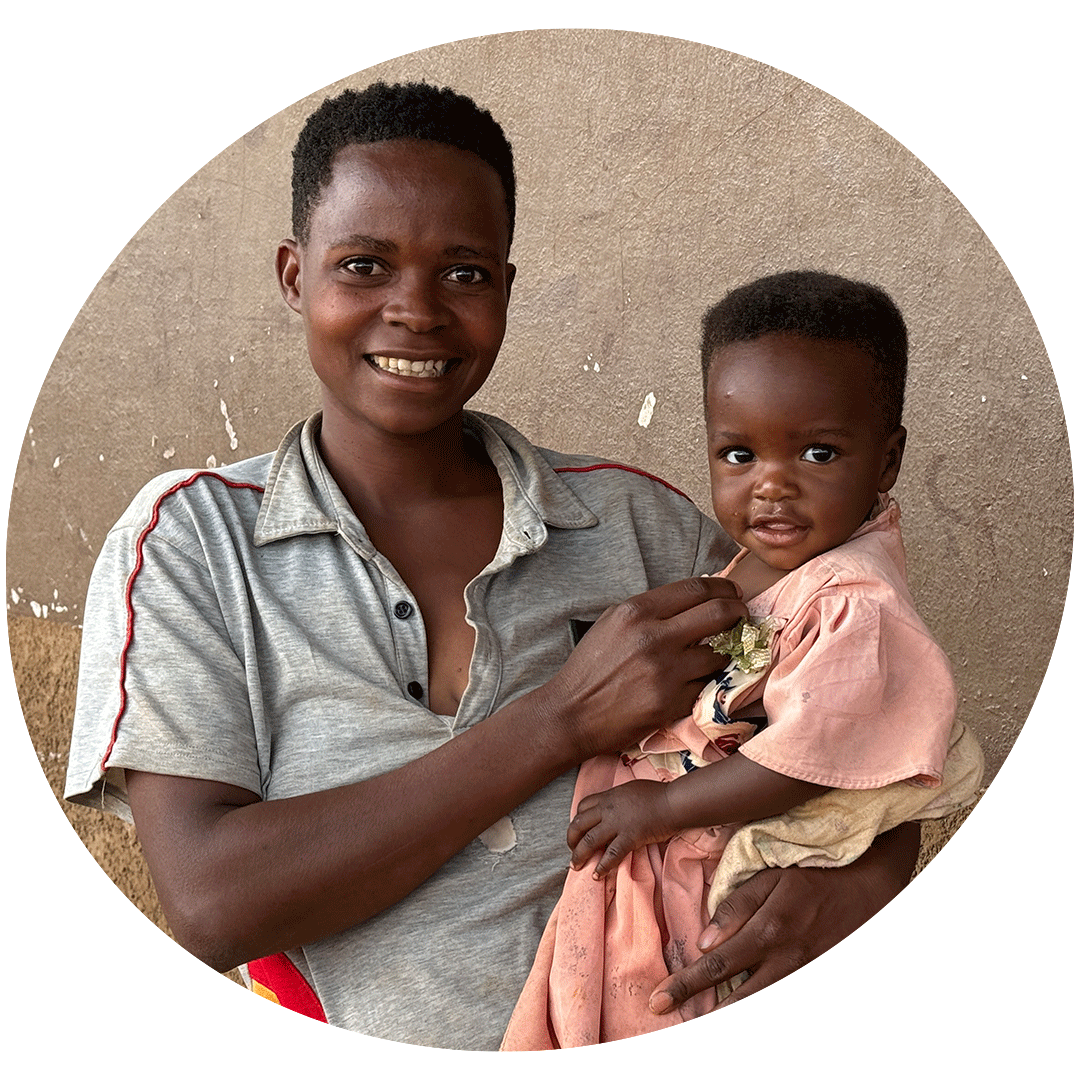
Ultimately, this approach promotes healthcare as a partnership, fostering trust, shared responsibility, and long-term developmental benefits for both the newborn and the family.
Family-centered Care
The NEST model is grounded in a layered conceptual framework. At its core is Family-Centered Care, a holistic approach that recognizes the family as an essential partner in newborn health.
Family-centered care promotes the active participation of families in the healthcare and well-being of their newborns. It recognizes the family as an integral part of the care team, improving health outcomes and strengthening emotional bonds. This involvement may include participating in medical decisions, assisting with basic care tasks, and engaging in practices like skin-to-skin contact (kangaroo care).
Beyond physical caregiving, family-centered care also addresses emotional and psychological needs, offering education, counseling, and peer support to build confidence and resilience.
Ultimately, this approach promotes healthcare as a partnership, fostering trust, shared responsibility, and long-term developmental benefits for both the newborn and the family.

Zero Separation Between Mother and Child
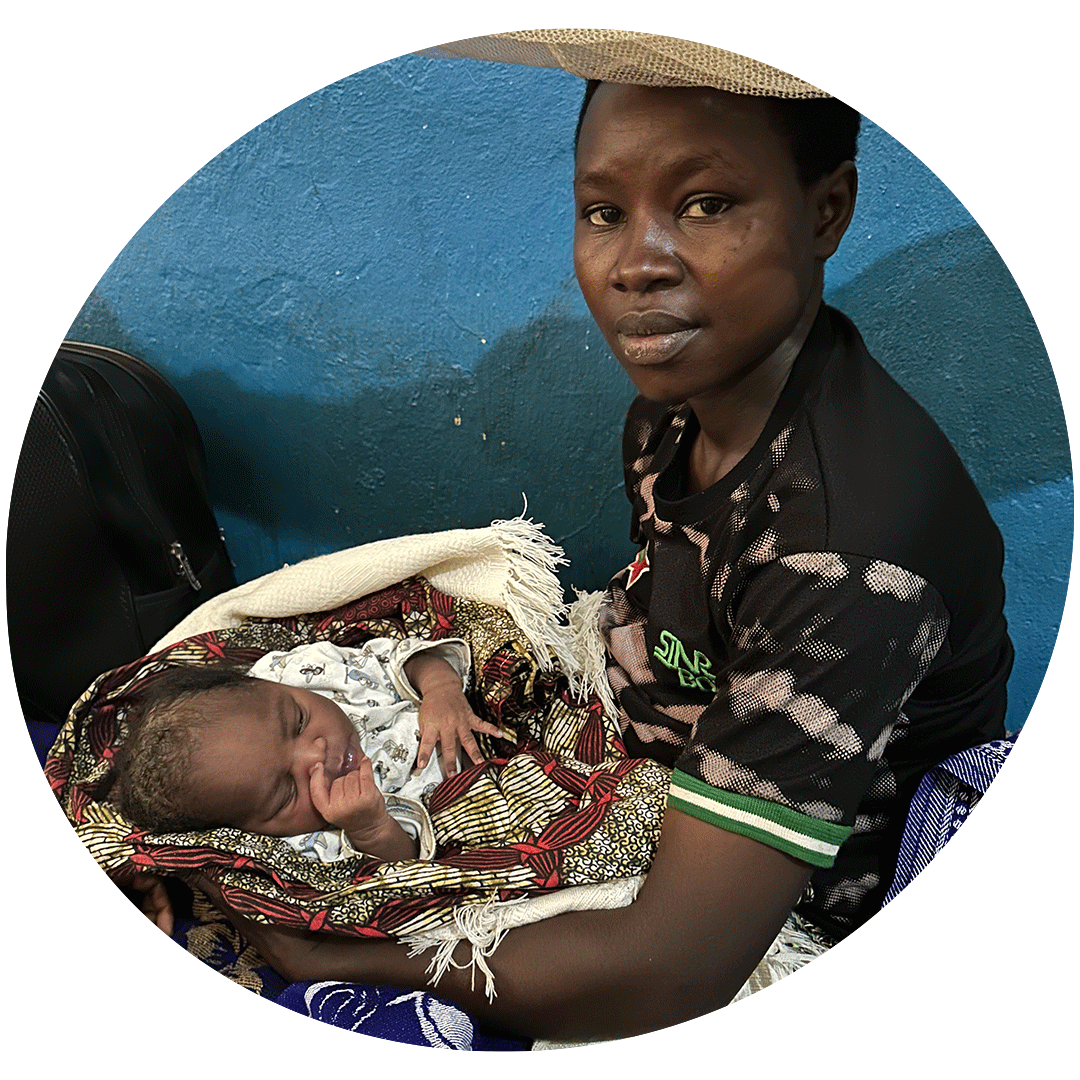
One of the key Family-Centered Care operational principles is Zero Separation between the mother and the baby. Zero separation is the practice of keeping the mother and newborn together continuously from birth onwards, fostering immediate and sustained physical and emotional contact. This uninterrupted closeness supports the newborn’s physiological stability by regulating vital signs such as temperature, heart rate, and breathing, and promotes the timely initiation of breastfeeding.
For mothers, zero separation reduces stress, enhances oxytocin release, and improves maternal well-being and milk production. It empowers parents to engage actively in their baby’s early care and development, building confidence and easing the transition to life outside the womb.
Long-term benefits include improved cognitive and social development in the child and a lower risk of postpartum depression in mothers. Zero Separation is an essential operational principle that enables Family-Centered Care to function effectively. Without zero separation, many Family-Centered Care practices—such as active parental involvement, bonding, and early breastfeeding—become significantly more difficult or even impossible to implement.
A practical way to implement Zero Separation is through Kangaroo Care — prolonged skin-to-skin contact, especially important for small and sick newborns, but beneficial for all.

Zero Separation Between Mother and Child
One of the key Family-Centered Care operational principles is Zero Separation between the mother and the baby. Zero separation is the practice of keeping the mother and newborn together continuously from birth onwards, fostering immediate and sustained physical and emotional contact. This uninterrupted closeness supports the newborn’s physiological stability by regulating vital signs such as temperature, heart rate, and breathing, and promotes the timely initiation of breastfeeding.
For mothers, zero separation reduces stress, enhances oxytocin release, and improves maternal well-being and milk production. It empowers parents to engage actively in their baby’s early care and development, building confidence and easing the transition to life outside the womb.
Long-term benefits include improved cognitive and social development in the child and a lower risk of postpartum depression in mothers. Zero Separation is an essential operational principle that enables Family-Centered Care to function effectively. Without zero separation, many Family-Centered Care practices—such as active parental involvement, bonding, and early breastfeeding—become significantly more difficult or even impossible to implement.
A practical way to implement Zero Separation is through Kangaroo Care — prolonged skin-to-skin contact, especially important for small and sick newborns, but beneficial for all.
The Kangaroo Care Method
Kangaroo Care — also known as Kangaroo Mother Care — is a method of neonatal care introduced in 1978 by Dr. Edgar Rey at the Maternal and Child Institute of Santa Fe in Bogotá, Colombia. It is based primarily on continuous and prolonged skin-to-skin contact between the baby and the mother or another caregiver, combined with exclusive breastfeeding. The name derives from the way marsupials care for their young, carried close to the body in constant warmth and protection.
Chiesi Foundation adopts the term Kangaroo Care rather than Kangaroo Mother Care to emphasize that the caregiver is not necessarily the mother alone, but can also be the father or another parental figure. This inclusive approach helps ensure that every newborn can benefit from this essential form of care, regardless of who provides it.

A growing body of scientific evidence confirms the wide-ranging benefits of Kangaroo Care — not only for survival but also for healthy development. It reduces the risk of hypothermia, hypoglycemia, and infections, and lowers the incidence of apnea and respiratory illnesses.
Kangaroo Care also strengthens the bond between parent and newborn, supports brain development, enhances the parenting experience, and builds caregivers’ confidence in caring for their baby. For these reasons, the World Health Organization strongly recommends its use for all preterm, low birth weight, and sick newborns.
According to the latest WHO guidelines, Kangaroo Care should be initiated immediately after birth when possible, intermittent (within the neonatal unit), and continuous (both in the hospital and at home). It is a life-saving practice that requires no advanced technology — only trained healthcare providers and family members who can guide and support the baby and caregiver through a highly vulnerable period.
If the mother is unable to provide Kangaroo Care, a family member can take her place. Since KC must continue after hospital discharge, it requires not only the family and healthcare workers, but also a broader community willing to welcome and support both mother and newborn.
The Kangaroo Care Method
Kangaroo Care — also known as Kangaroo Mother Care — is a method of neonatal care introduced in 1978 by Dr. Edgar Rey at the Maternal and Child Institute of Santa Fe in Bogotá, Colombia. It is based primarily on continuous and prolonged skin-to-skin contact between the baby and the mother or another caregiver, combined with exclusive breastfeeding. The name derives from the way marsupials care for their young, carried close to the body in constant warmth and protection.
Chiesi Foundation adopts the term Kangaroo Care rather than Kangaroo Mother Care to emphasize that the caregiver is not necessarily the mother alone, but can also be the father or another parental figure. This inclusive approach helps ensure that every newborn can benefit from this essential form of care, regardless of who provides it.
A growing body of scientific evidence confirms the wide-ranging benefits of Kangaroo Care — not only for survival but also for healthy development. It reduces the risk of hypothermia, hypoglycemia, and infections, and lowers the incidence of apnea and respiratory illnesses.
Kangaroo Care also strengthens the bond between parent and newborn, supports brain development, enhances the parenting experience, and builds caregivers’ confidence in caring for their baby. For these reasons, the World Health Organization strongly recommends its use for all preterm, low birth weight, and sick newborns.
According to the latest WHO guidelines, Kangaroo Care should be initiated immediately after birth when possible, intermittent (within the neonatal unit), and continuous (both in the hospital and at home). It is a life-saving practice that requires no advanced technology — only trained healthcare providers and family members who can guide and support the baby and caregiver through a highly vulnerable period.
If the mother is unable to provide Kangaroo Care, a family member can take her place. Since KC must continue after hospital discharge, it requires not only the family and healthcare workers, but also a broader community willing to welcome and support both mother and newborn.